Installation Guide: NumatAGRI Horse Walker Mats

Horse walker mats

Are you Installing NumatAGRI Horse Walker Mats?

Here are some tips and tricks to help you get that perfect result. 

This guide will walk you through the process of installing horse walker matting, covering everything from layout to securing the mats.

Laying Out the Mats: 
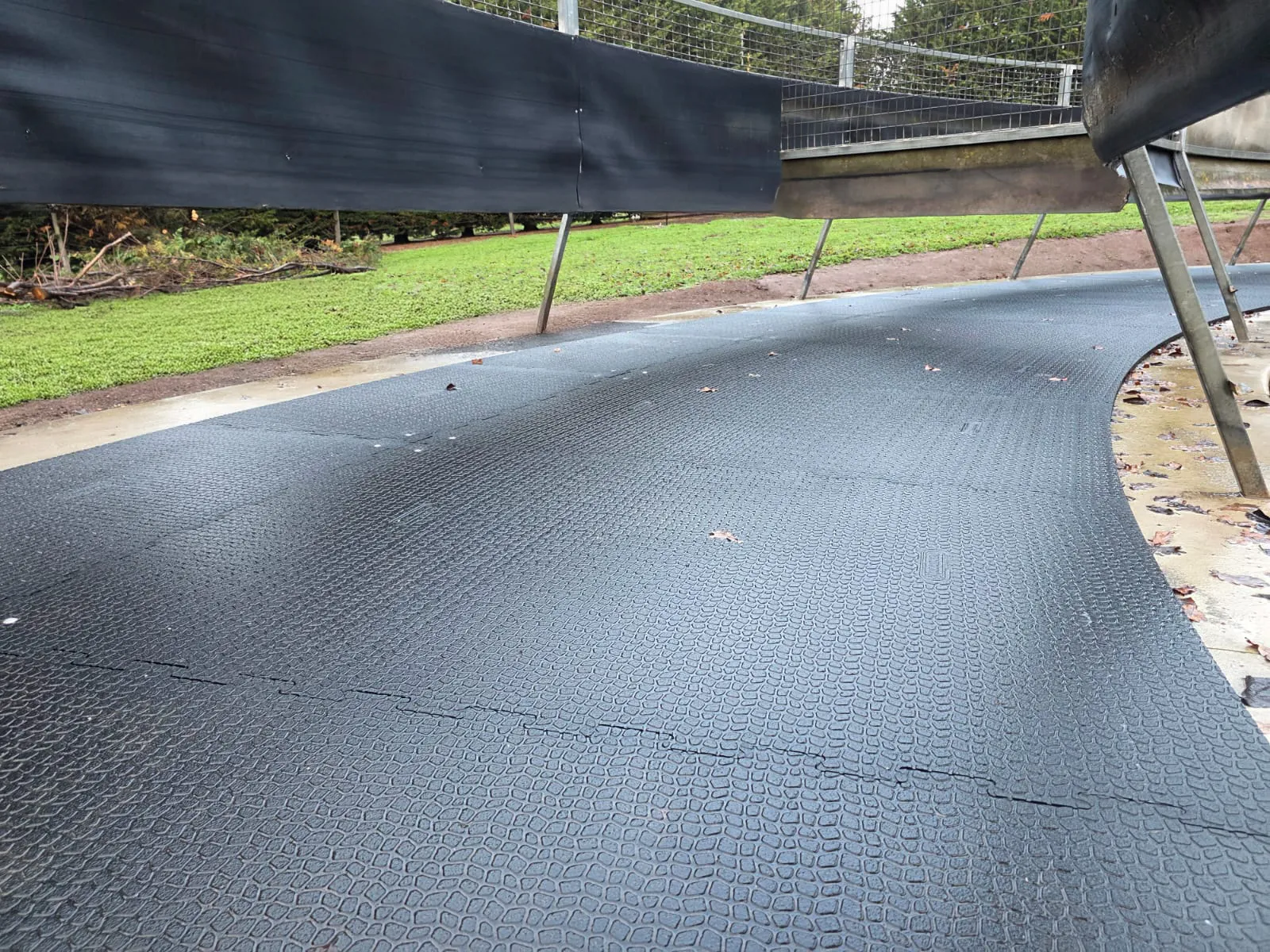
Begin by laying out the pie-shaped pieces of the mat around the horse walker. Arrange them in a circular pattern until you reach the starting point.

Addressing Gaps and Overlaps: 
Once all pieces are laid out, you may notice a gap or an overlap at the point where the first and last mats meet. This is normal. Don’t worry if it seems like the mats won’t fit perfectly—this is expected and won’t affect the installation process.

Adjusting the Mats:

  • For Overlaps: If the mats overlap, gently push and adjust the overlapping mats outward until they align properly with the circle.
  • For Gaps: If there’s a gap, similarly adjust the adjacent mats inward to reduce the space, ensuring the edges meet evenly. Continue to shuffle and jiggle the mats as needed until all edges align and the mats interlock seamlessly.

Securing the Mats: 
Once all mats are aligned and interlocked, drill and anchor at two main points at the front of the walker. Normally, anchoring is only needed on the inside of the matting circle. For larger horse walkers that use two-piece mats or have an interlocking joint, additional anchoring might be necessary at the interlocking points.

Final Overview: 
Ensure all mats are flat and securely interlocked. The mat should now form one continuous piece around the walker.

That’s how you install horse walker matting! Remember, it’s okay to have some initial misalignment; just adjust as you go.

If you have any questions, or need further clarification, don’t hesitate to reach out for professional advice.
Horse walker mats
If you have any questions or would like a sample of rubber matting, give us a call at 1800 686 287 or fill in the form on our contact page and our team will be in touch.  

What Can Go Wrong with Cattle Yard Rubber Matting?

Rubber matting has become increasingly popular in cattle yards, thanks to its durability, ease of cleaning, and the grip and safety it provides to animals and people. However, as with any product, there can be concerns or issues. This blog post will explore some potential pitfalls of rubber matting in cattle yards based on our own insights from installing rubber matting in cattle yards over the past 30 years.

1. Installing rubber mats that are hard to clean.

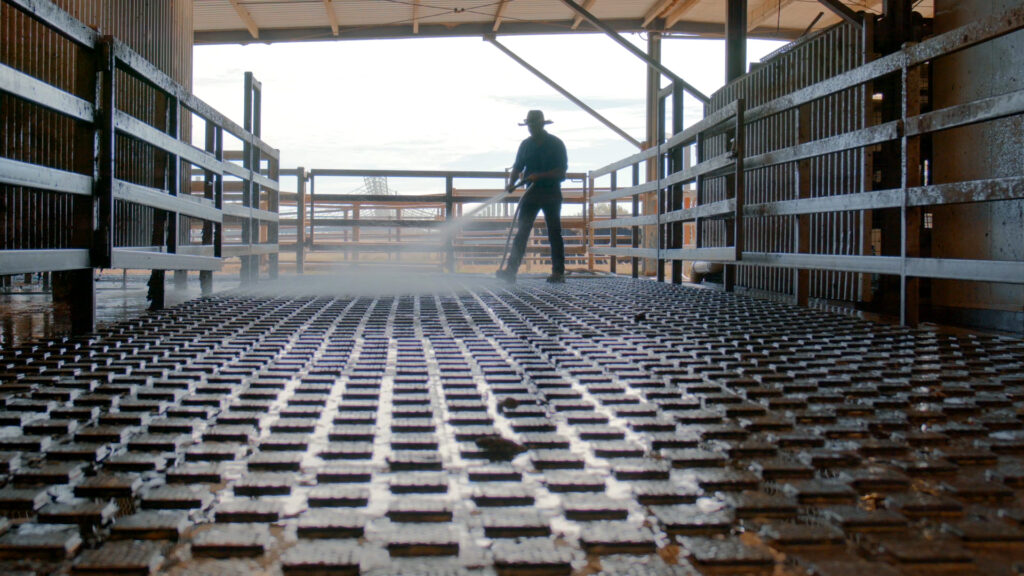
A common question is, aren’t rubber mats hard to clean? The answer depends on the type of mat in use. For instance, YoungStar mats are nonporous and designed for easy cleaning. Whether you’re hosing them down, using a blower, or even just sweeping, the process is straightforward—often simpler than cleaning concrete. However, water scarcity can be a challenge in certain areas, so it’s reassuring that these mats can be efficiently cleaned without it.

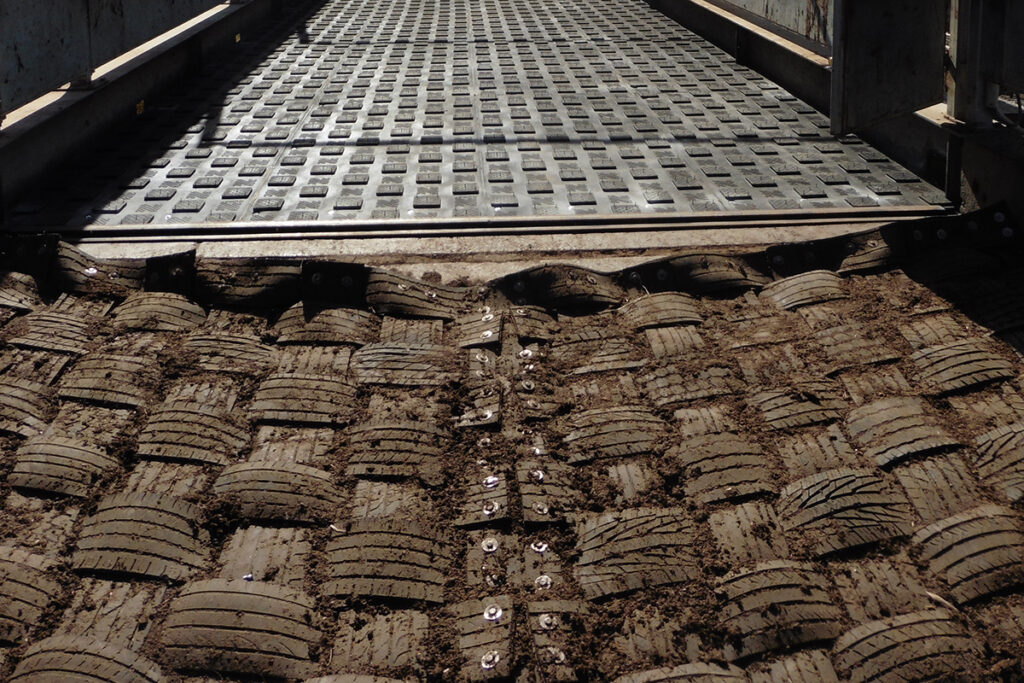
On the other hand, specific mats like those made from woven car tyres can be problematic. Dirt often gets trapped between the strips of rubber, making the cleaning process cumbersome. Plus, the woven design can present a tripping hazard for both animals and people.

YoungStar rubber mats are easier to clean than concrete and woven tyre mats.

2. Installing rubber mats that don’t last very long.

Quality can vary significantly between brands and types of mats. Some have been reported to disintegrate in mere months in high-traffic areas like those in busy feedlots or sale yards. Conversely, YoungStar mats are known for their exceptional durability. Having been exposed to a myriad of conditions—be it droughts, storms, floods, extreme temperatures, or the continuous trampling of hooves—they’ve been tested for over four years in demanding environments and have proven resilient.

3. Installing rubber mats that don’t stop slipping.

A well-designed rubber mat should offer ample grip to prevent animals from slipping. Some rubber materials can become slippery, especially when wet, posing a risk to livestock. However, products like YoungStar are specifically designed with a square lug grip pattern, effectively preventing cattle from losing their footing. Woven tyre mats also provide adequate grip but are hard to install and clean. For these reasons, we don’t recommend them.

4. Ordering rubber mats that are difficult to install.

Rubber matting offers numerous benefits for cattle yards, but it’s imperative to select the right product. When evaluating factors such as heat absorption, ease of cleaning, durability, grip design, and even installation ease, the YoungStar mat stands out. The YoungStar mat not only confronts these challenges head-on but obliterates them, making it a superior choice for those prioritizing the safety, comfort, and well-being of their livestock.

Woven tyre mats are difficult to install and maintain.

Conclusion

Rubber matting offers numerous benefits for cattle yards, but it’s imperative to select the right product. When evaluating factors such as ease of cleaning, durability, grip design, and even installation ease, the YoungStar mat stands out. The YoungStar mat not only confronts these challenges head-on but obliterates them, making it a superior choice for those prioritizing the safety, comfort, and well-being of their livestock.

Rubber Matting vs Grooved Concrete: Enhancing Safety in Your Cattle Facilities

This article discusses why rubber matting can be a superior alternative to grooved concrete in cattle yards. The ideal choice for you will vary based on several factors, including your specific cattle handling requirements, the type of cattle you’re managing, and your budget.

Comfort for Cattle

If ensuring a comfortable environment for your cattle is a priority, rubber mats stand out as the superior choice. These mats provide a softer surface that helps alleviate stress and discomfort for the animals. This not only promotes better cooperation from the cattle during handling but also reduces the risk of injury for both the animals and the handler.

Traction

Traction is an essential factor in cattle facilities to prevent slipping accidents. Both rubber mats and grooved concrete can offer suitable traction. However, grooved concrete tends to become slippery when wet and its efficiency decreases with age and wear.

On the other hand, the right style of rubber mats retains traction, even when wet. Not all rubber mats are created equal though, so it’s crucial to select a high-quality matting with raised lugs to prevent the hooves from slipping.

Durability

A high-quality rubber mat can last for several years, making it a durable option. On the contrary, low-quality mats may deteriorate within weeks. So, invest wisely in a mat that will serve you and your cattle for a long time.

Hygiene

Hygiene is another critical aspect to consider. Rubber mats are typically easier to clean than grooved concrete, which can help improve hygiene standards and lower the risk of disease transmission in your facilities. Whether you’re using concrete or rubber mats, it’s crucial to clean them regularly to ensure their durability and maintain hygiene.

Noise Levels

Noise can cause distress among cattle. Rubber mats have the added advantage of reducing noise levels in the handling area, creating a more calming environment for your cattle.

Installation and Environmental Impact

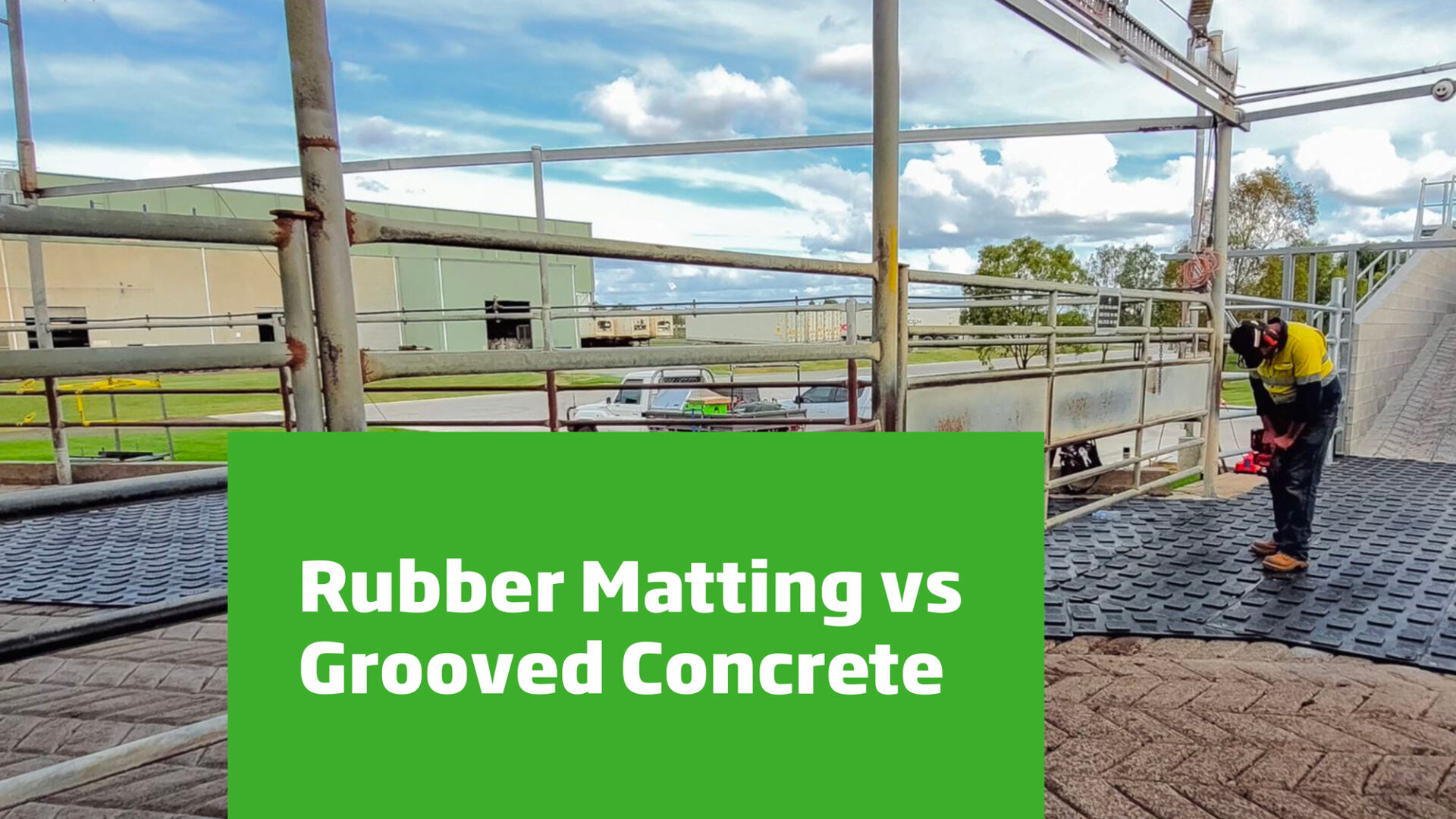
Rubber mat installation can be a quick and easy process as they can be laid over existing concrete. On the other hand, installing grooved concrete may require more extensive preparation.

Moreover, rubber mats can be more environmentally friendly than grooved concrete, especially if they are made from recycled materials and are recyclable at the end of their life span.

Maintenance and Cost

Rubber mats often require less maintenance than grooved concrete, particularly if they are vulcanized. Though rubber matting may come with a higher initial cost compared to grooved concrete, the investment can pay off over time through improved productivity, reduced maintenance costs, and other benefits.

Conclusion

The type of cattle you’re working with can also influence your decision. Most animals will prefer the softer, more stable surface of rubber mats over the harder, noisier, and potentially more slippery grooved concrete. Always observe your cattle and consider their behavior when making your decision.

Ultimately, the best choice for your cattle yard will depend on your specific needs and priorities. Take into account factors like comfort, traction, durability, hygiene, and noise, and opt for a product that will provide the best overall value for your operation.

We hope you’ve found this information helpful in determining what surface will serve you and your animals best in your cattle yard. If you would like to know more about our specially designed cattle mats that provide grip, comfort, and durability, please check out our YoungStar mat page.